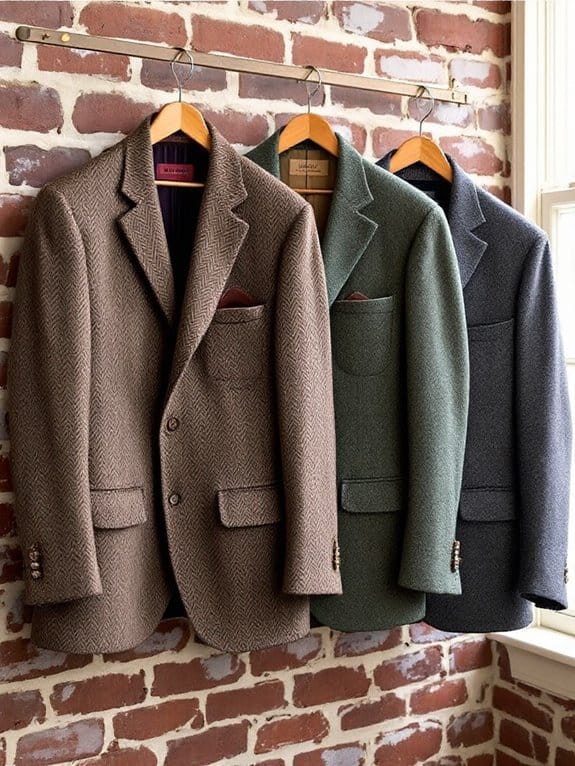
Your perfect navy blazer fit comes down to three essential elements that'll transform this classic piece. First, guarantee the shoulders sit precisely on your natural shoulder line with sleeves showing just a quarter-inch of shirt cuff. Next, focus on achieving that ideal chest-to-waist balance – you should be able to slip one finger between the blazer and your shirt while maintaining a subtle taper at the waist. Finally, nail the overall length and drape, with the hem hitting just below your seat and fabric falling smoothly without pulls or bunches. Master these fundamentals, and there's so much more to explore about elevating your blazer game.
Key Takeaways
- Shoulders must rest precisely on your natural shoulder line without bunching or extending past the edge.
- Blazer sleeves should reveal 1/4 to 1/2 inch of shirt cuff while arms hang naturally.
- Chest fit should allow one finger's space between shirt and blazer for ideal comfort and movement.
- Waist should taper naturally with a 2-4 inch difference from chest measurement for proper silhouette.
- Overall length should reach just below the seat, with hem aligning near knuckles when arms rest.
Shoulders and Sleeve Length
You may be interested


Getting the shoulders and sleeve length right can make or break your navy blazer's overall appearance. When you're trying on a blazer, pay close attention to how the shoulders fit – they should rest snugly against your natural shoulder line without any unsightly bunching or pulling. The seam should align perfectly with where your shoulder ends, creating that coveted structured silhouette you're after.
Let's talk sleeve length, because it's a detail that screams "tailored" when done right. You'll want your blazer sleeves to show just enough of your shirt cuff – about a quarter to half an inch when your arms are hanging naturally at your sides. The sleeve should taper gracefully toward the cuff, avoiding that dreaded boxy look that can make even the finest blazer appear ill-fitted.
Here's a pro tip: while you can usually have sleeves shortened by a tailor, you can't easily fix shoulder fit issues. That's why it's essential to nail the shoulder fit first. If you're between sizes, always opt for the one that fits perfectly in the shoulders – it'll be your best investment in the long run.
Recommended Products

Lining: 95% polyester/5% spandex
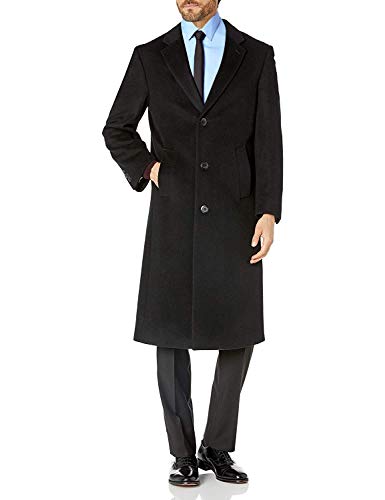
LUXURY WOOL CASHMERE BLEND: Crafted from premium wool-cashmere fabric for exceptional warmth, softness, and a refined drape. A distinguished overcoat for the discerning gentleman.

TWEED SUITS: A well-made tweed suit means a timeless style and class. Characteristic dense weave it is suitable for all weather conditions. It’s a classic look, and the textile provides great warmth and a vintage appeal.The style in which the threads for the fabric are woven creates a very unique pattern
Chest and Waist Balance
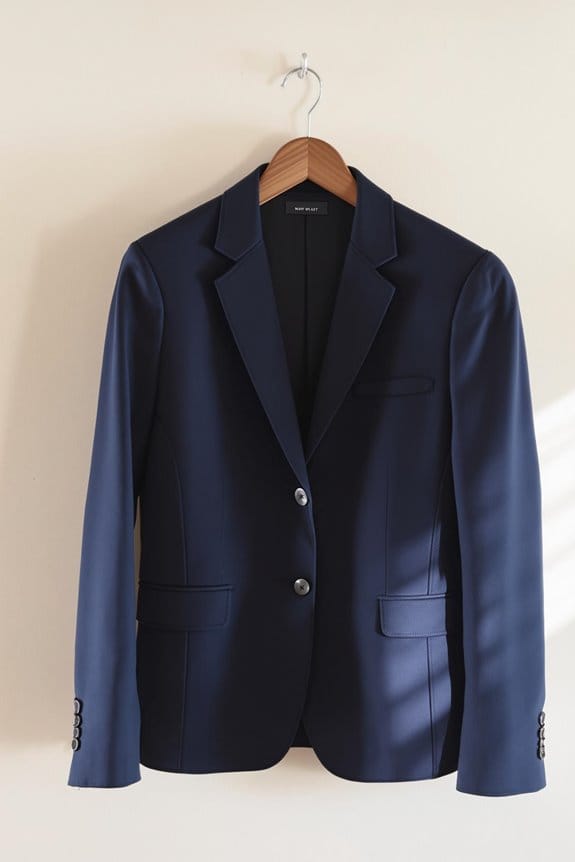
When it comes to achieving the perfect navy blazer fit, the chest and waist balance creates the foundation for a polished appearance. You'll want to guarantee your chest fit allows for a comfortable range of movement while maintaining a refined silhouette. Here's the secret: you should be able to slip a finger between your shirt and the blazer – any more space and it's too loose, any less and you'll look stuffed in.
Your blazer's waist taper should complement your natural body shape, ideally with a 2-4 inch difference between chest and waist measurements. This creates that coveted tailored look without compromising comfort. Pay attention to those side seams – they should fall straight down from your armpit without any unsightly pulling or bunching.
While fitting adjustments can be made to perfect your waist fit, remember that the chest is your priority. It's the blueprint for the blazer's entire structure and drape. If you're considering alterations, start with the chest measurement – get this right, and everything else will fall into place. Maintain your natural posture during fittings; after all, a well-fitted blazer should feel like a second skin.
Recommended Products

STYLING: This long two-piece jacket dress provides a polished and sophisticated look for any Mother of the Bride or Groom, as well as formal evening events. Luxurious jacquard knit bodice paired with a Mandarin collar, ensuring you look elegant at your special event.

Perfectly Tailored: Complete your ensemble with our TH Flex Suit Separate Jacket. Match it with a suit vest and dress pants, sold separately, allowing you to choose individual sizes for a perfectly tailored suit that complements your unique frame.
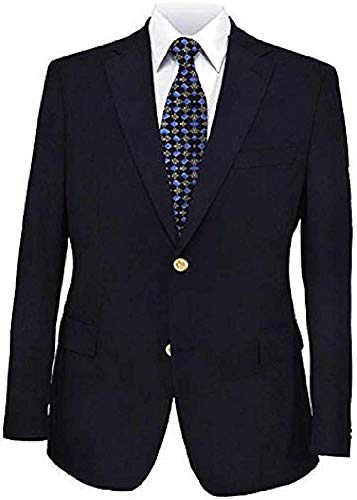
Choose the Right Fit: Sizes labeled "BIG" (Big Short, Big Regular, Big Long) are PORTLY or EXECUTIVE sizes (labeled "BIG") and are cut fuller through the chest, midsection, waist, and seat for men who need extra room and comfort. Choose this selection if you're used to having difficulty butting your jacket when the chest fits correctly. See size chart.
Overall Length and Drape
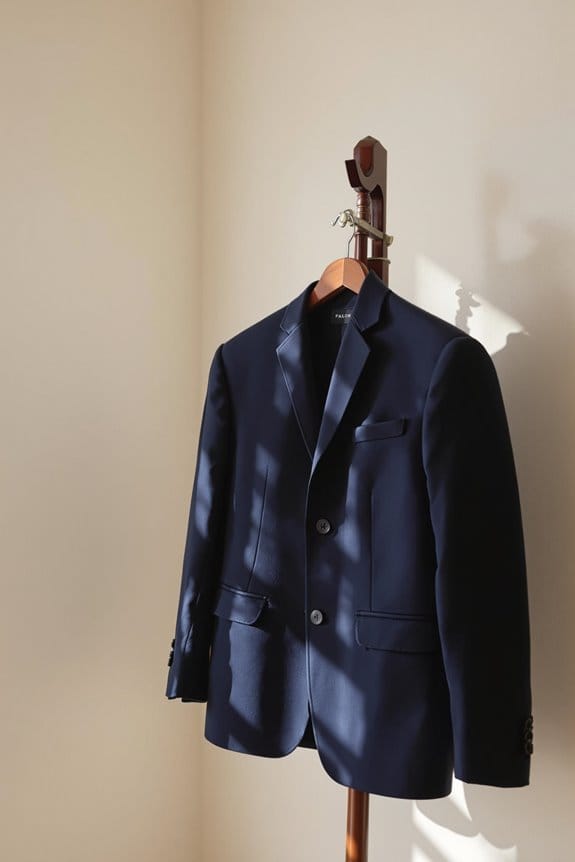
Beyond chest and waist proportions, a blazer's length and drape can make or break your polished look. When it comes to overall length, you'll want your blazer to hit just below your seat, covering your buttocks completely. Here's a quick test: let your arms hang naturally at your sides – the hem should align with your knuckles for perfect proportion.
The drape of your blazer tells an important story about its fit. You're looking for a smooth, natural fall of fabric that follows your body's contours without pulling or bunching. A proper taper at the waist will enhance your silhouette while maintaining that vital clean line from shoulders to hem.
Speaking of shoulders, they're essential for achieving that ideal drape. Your blazer's shoulder line should perfectly match your natural shoulders – no quarterback padding here! When you move, the fabric should flow with you, not fight against you. Think of it as your second skin that's been tailored to perfection. Remember, a well-draped blazer looks effortless, even though there's plenty of precise engineering behind that relaxed appearance.
Recommended Products


PREMIUM FABRIC: Crafted from 55% Cotton and 45% Linen for a breathable, lightweight feel and all-day comfort with a polished look.

Effortless Sophistication: Button closure and crisp spread collar add timeless elegance, while suede leather drapes like a dream. Conquer the boardroom and own the dance floor in this versatile masterpiece.
Frequently Asked Questions
How Do You Get a Perfect Fit Blazer?
You'll need proper blazer measurements and shoulder alignment. Visit a tailor for fit adjustments, focusing on sleeve length and button placement. Choose quality fabric and lapel styles that suit your frame and occasional wear needs.
Should a Blazer Be Tight or Loose?
Your blazer should fit comfortably in between tight and loose, allowing natural movement while maintaining a tailored look. It should contour your body with enough room for layering without appearing baggy or restrictive.
What Is the Best Combination for Navy Blue Blazer?
You'll look sharp pairing your navy blazer with a white dress shirt and gray wool pants for formal events, or dress it down with dark denim and a button-down collar shirt for casual outings.
How Do I Know if a Blazer Is Too Small?
You'll know your blazer's too small if buttons strain, shoulder seams restrict movement, sleeves end above wrists, chest feels compressed, and the back doesn't lay flat. Check these before making your final purchase.