
Japanese streetwear brands are getting cheaper due to several key market shifts you're seeing today. Major players like Uniqlo and GU are intensifying price wars, while digital transformation's enabling direct-to-consumer sales that cut out middlemen costs. You'll notice younger consumers, especially Gen Z, are demanding more affordable options without sacrificing style. Smart inventory management and local manufacturing advantages are helping brands reduce prices, while sustainable practices and advanced production methods keep quality high. Fast fashion's disrupting traditional pricing models too, forcing heritage brands to adapt. There's actually quite a fascinating story behind how these brands are evolving their strategies.
Key Takeaways
- Digital transformation and direct-to-consumer models eliminate middlemen, allowing brands to offer lower prices while maintaining profitability.
- Intense competition among major brands forces aggressive pricing strategies to capture budget-conscious younger consumers, particularly Gen Z.
- Local manufacturing and supply chain optimization reduce production costs, enabling brands to maintain quality while decreasing retail prices.
- Advanced technology in inventory management and data analysis helps brands optimize pricing and reduce operational costs.
- Fast fashion disruption pushes traditional streetwear brands to adapt their pricing models to remain competitive in the market.
Market Competition Driving Price Changes
You may be interested



The battleground of Japanese streetwear has transformed dramatically as heightened competition reshapes pricing strategies across the industry. You'll notice that major players like Uniqlo, GU, and BAPE are now locked in an unprecedented pricing war, especially when it comes to capturing budget-conscious shoppers.
What's particularly interesting is how this competitive landscape has evolved with the digital age. You're now able to compare prices across multiple platforms instantly, forcing brands to stay on their toes with their pricing strategies. The high quality Japanese streetwear you've come to love is becoming more accessible than ever.
Traditional brands that once commanded premium prices are adapting to survive. They're rolling out more frequent sales cycles, with January and July becoming prime shopping seasons for savvy consumers like yourself. The local manufacturing advantage that Japanese brands enjoy isn't just about quality control – it's becoming an essential factor in maintaining competitive pricing.
You'll find that this shift isn't just about slashing prices. It's about brands finding creative ways to offer value while maintaining their identity. Fast fashion's influence has fundamentally rewritten the rules of the game.
Recommended Products

Size considerations:When placing an order please be sure to provide your height and weight information so that we can accurately determine the appropriate size and ensure your comfort.
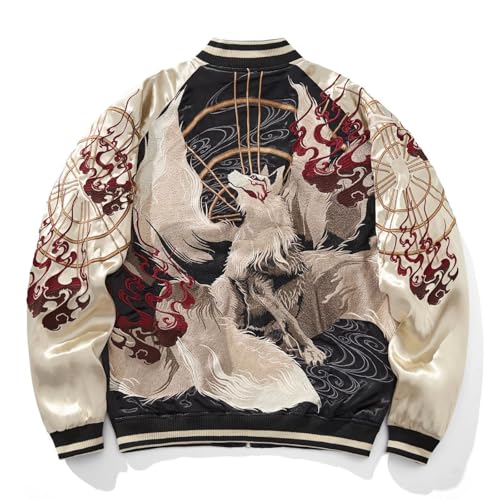
Luxurious Satin Fabric: The bomber jacket is made of heavyweight satin,which is cool and silky to the touch,and the high-density woven fabric is both soft and tear-resistant,not easy to snag,exuding luxury and retro charm under sunlight

High-Quality Material: The womens bomber jacket is made of heavyweight satin,which is cool and silky to the touch,and the high-density woven fabric is both soft and tear-resistant,not easy to snag
Fast Fashion Impact on Streetwear
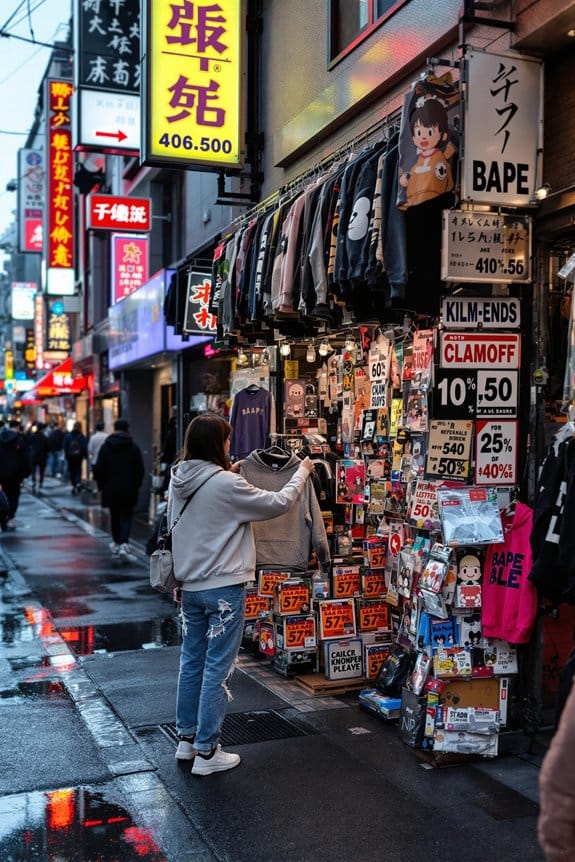
Fast fashion's meteoric rise has fundamentally disrupted Japanese streetwear's traditional pricing model. You'll notice that brands which once commanded premium prices are now finding themselves in a brand authenticity crisis, competing head-to-head with budget-friendly alternatives from retail giants like Uniqlo and GU.
What's particularly striking is how consumer perception shifts have transformed the marketplace. When you're seeing identical designs at drastically different price points, it's natural to question the value proposition of higher-priced streetwear. Fast fashion's trend replication speed is remarkably efficient – they're often matching new designs within weeks, not months.
The impact runs deeper than just pricing. Traditional streetwear brands are now adopting fast fashion's playbook, implementing more frequent sales and seasonal discounts. You'll find that even established Japanese labels are leveraging domestic production advantages to slash their prices. It's a fascinating adaptation to survive in today's market.
The silver lining? You're getting authentic Japanese streetwear at more accessible price points than ever before. While purists might argue this dilutes the culture, it's democratizing fashion in ways that weren't possible a decade ago.
Recommended Products
![Porter PORTER Waist Bag Body Bag [PORTER AMAZE] 022-03796 - black -](https://m.media-amazon.com/images/I/31zAJhRsTHL._SL500_.jpg)

Size (W x H x D): Approx. 15.0 x 7.1 x 3.1 inches (38 x 18 x 8 cm); Weight: Approx. 7.1 oz (200 g); Shoulder Length: Approx. 26.4 - 40
Digital Sales Transformation
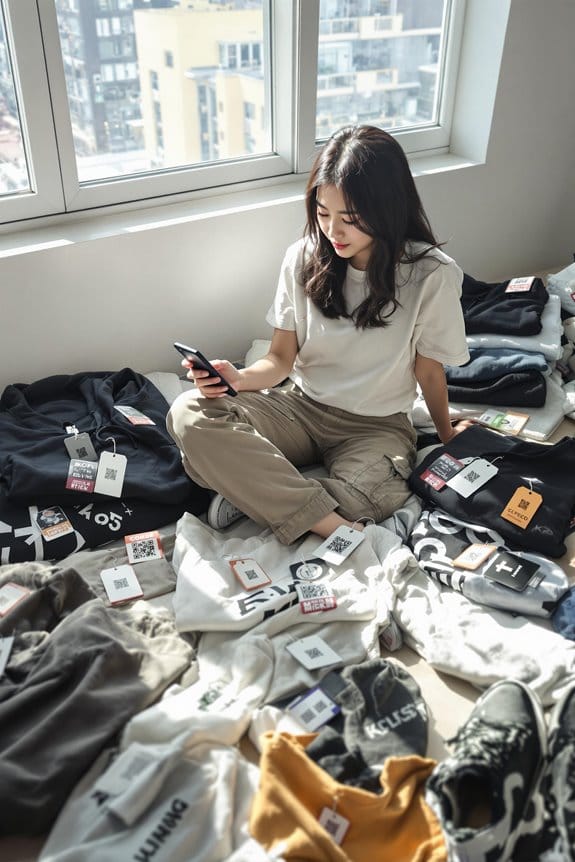
Digital transformation has revolutionized three key aspects of Japanese streetwear sales: direct-to-consumer relationships, inventory management, and pricing flexibility. You'll find that today's e-commerce platforms have completely changed how these brands reach their customers, making it easier than ever to shop your favorite Japanese labels without the traditional retail markup.
When you're browsing your favorite streetwear sites, you're experiencing the benefits of digital marketing innovations firsthand. Brands now use social media and online platforms to connect directly with you, cutting out expensive middlemen. Smart inventory management systems help these companies track what's selling and what isn't in real-time, leading to better pricing decisions that benefit your wallet.
You'll notice more flash sales and online-exclusive deals than ever before. That's because brands can now analyze customer data to optimize their pricing strategies. They're using these insights to clear inventory efficiently while keeping prices competitive. The result? Those Japanese streetwear pieces you've been eyeing are becoming more affordable, thanks to reduced overhead costs and streamlined digital operations. It's a win-win situation where both brands and customers benefit from the digital revolution.
Recommended Products

*[Material is skin friendly and comfortable]: XYXIONGMAO techwear hoodie are designed with high-quality cotton material. japanese streetwear hoodie is very comfortable and suitable for wearing in spring, autumn and winter. (Note: Dark and light colored clothes should be washed separately to avoid mutual dyeing. It is normal for dark colored clothes to have slight floating color.)

Techwear windbreaker jacket with a relaxed and oversized silhouette

Cut in a relaxed fit silhouette.
Economic Factors Affecting Pricing
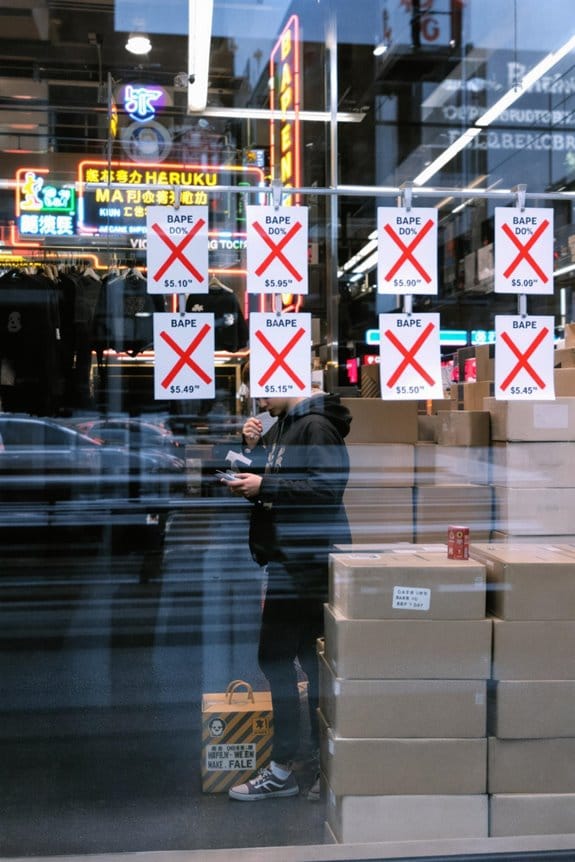
Building on these digital advancements, several economic factors have made Japanese streetwear more accessible than ever. You'll notice that currency fluctuations play a significant role, as the Japanese yen's performance against other currencies often creates pricing advantages for domestic shoppers. When the yen is relatively weak, local buyers can snag their favorite pieces without the hefty markups that international customers face.
The absence of import duties for domestic purchases is another key factor shaping the market. While overseas customers might pay 20-30% more due to these fees, you're getting items straight from the source when shopping in Japan. Local brands have also adopted more aggressive pricing strategies to stay competitive, especially with powerhouses like Uniqlo setting new standards for affordability.
You'll find the best deals during Japan's major sales seasons in January and July, when brands clear their inventory. The competition among local retailers has become so intense that you're now seeing year-round promotions and dynamic pricing adjustments. It's a buyer's market, and the numbers don't lie – Japanese streetwear is becoming more budget-friendly by the season.
Global Production Cost Reduction
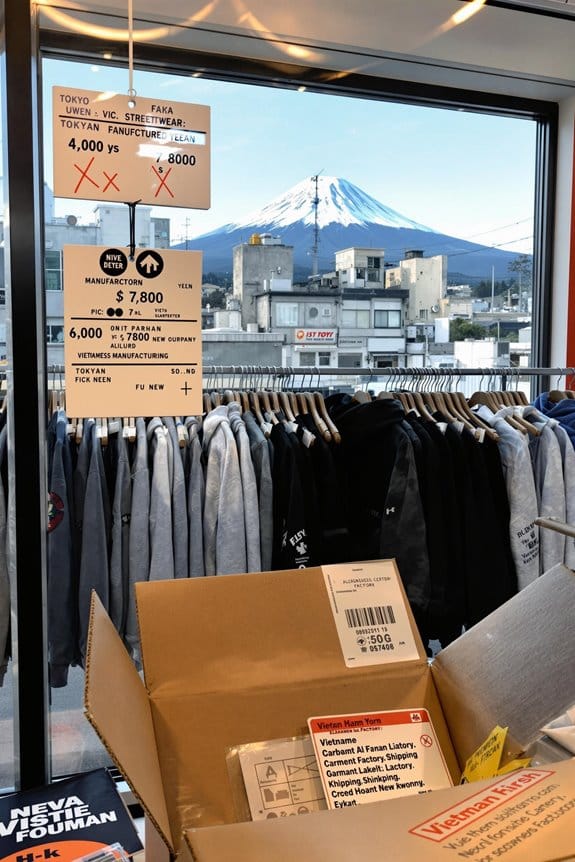
Manufacturing innovation has revolutionized the Japanese streetwear landscape, with brands leveraging global production networks to slash costs. You'll notice that prices have been dropping across your favorite Japanese labels, and it's not just because of market competition – it's a direct result of smarter manufacturing technology and streamlined operations.
The digital revolution has transformed how these brands operate behind the scenes. Through advanced sourcing platforms, they're now connecting with suppliers and manufacturers worldwide in real-time, cutting out costly middlemen and reducing operational expenses. You're fundamentally benefiting from a more efficient supply chain that wasn't possible just a few years ago.
What's particularly interesting is how Japanese brands have adapted their production strategies. They're maintaining their legendary quality standards while strategically relocating some manufacturing to regions with lower labor costs. Combined with the weakening yen, you're getting more bang for your buck than ever before. The new manufacturing landscape means brands can focus on what they do best – creating innovative designs – while letting automated processes and strategic partnerships handle the heavy lifting of production and distribution.
Recommended Products
*[Material is skin friendly and comfortable]: XYXIONGMAO techwear hoodie are designed with high-quality cotton material. japanese streetwear hoodie is very comfortable and suitable for wearing in spring, autumn and winter. (Note: Dark and light colored clothes should be washed separately to avoid mutual dyeing. It is normal for dark colored clothes to have slight floating color.)

【Quality Comfort Hoodie】Made from high-quality cotton, soft, breathable, friendly to skin fabric. All four seasons, fashion-forward cool and trendy. Y2k, streetwear, loose, casual, retro

Floral embroidery adds a unique Y2K vibe, making this hoodie perfect for standing out whether you’re at school, shopping, or casual weekend hangouts
Rise of Affordable Luxury
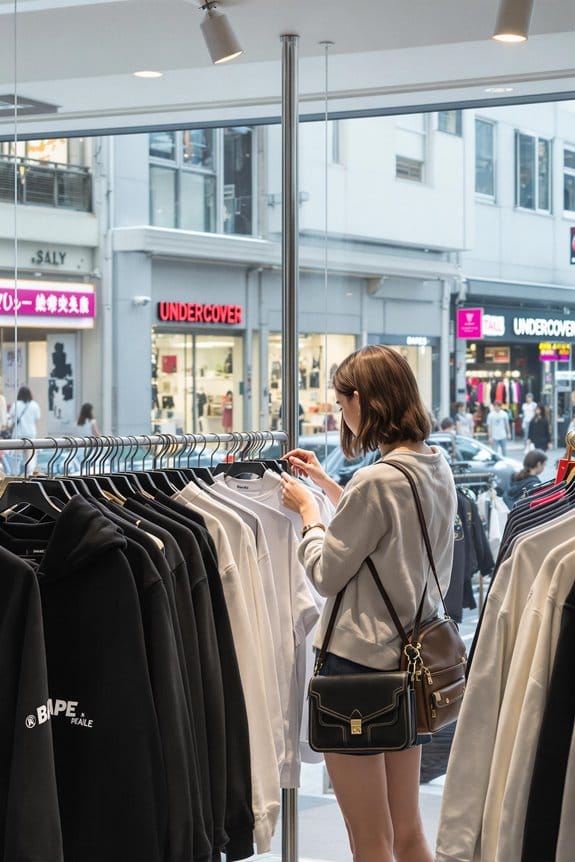
These manufacturing innovations have sparked a new era of affordable luxury in Japanese streetwear. You'll notice that brands are increasingly striking a delicate balance between premium quality and accessible pricing, transforming what was once an exclusive market into one that's surprisingly attainable.
What's particularly interesting is how consumer preferences have shifted the entire landscape. You're now able to find luxury-grade streetwear at prices that won't make your wallet cry, thanks to strategic collaborations between high-end brands and mainstream retailers. During Japan's major sale seasons, especially in January and July, you'll discover these pieces at even more attractive price points.
The rise of affordable trends hasn't compromised quality standards – quite the contrary. Japanese brands have mastered luxury accessibility through smart production choices and competitive pricing strategies. You'll find that online platforms have become particularly influential, offering exclusive deals and limited-edition collections that maintain premium appeal without the premium price tag. It's a clever adaptation to modern market demands, where you can enjoy high-end streetwear without the traditional luxury markup. The result? A more democratic fashion landscape where style meets sensibility.
Changing Consumer Demographics
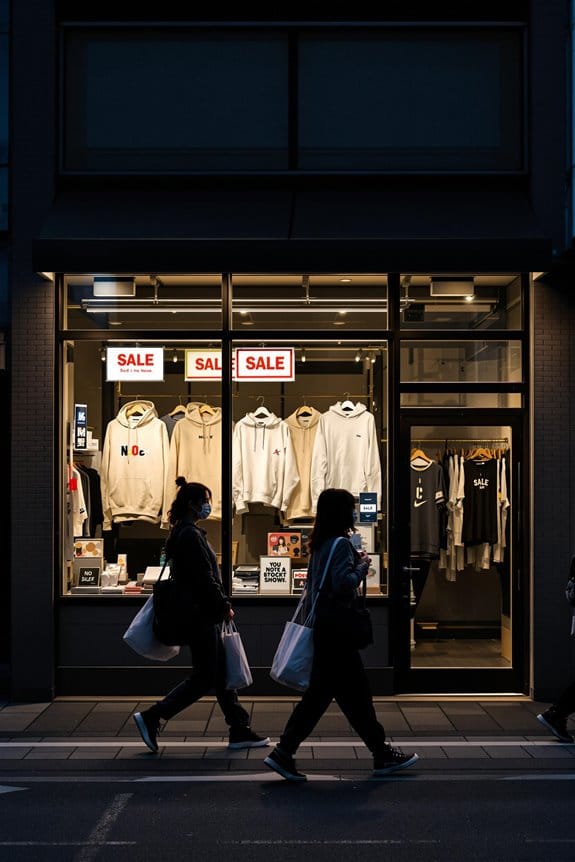
In line with global trends, Japanese streetwear's consumer base has undergone a dramatic shift toward younger, more price-conscious buyers. You'll find that Gen Z trends are reshaping the market landscape, with these digital natives expecting both style and affordability from their favorite brands. They're not willing to empty their wallets for status alone.
What's particularly interesting is how millennial preferences have created a ripple effect throughout the industry. You're now seeing traditional Japanese streetwear brands adapting their pricing strategies to match these evolving expectations. Fashion accessibility has become the new currency, replacing the exclusivity-driven model of the past.
The numbers tell an compelling story: younger consumers are spending differently than their predecessors. They're more likely to mix high and low-end pieces, care about sustainable practices, and make purchase decisions based on social media influence. You'll notice that brands are responding by creating more affordable collections that don't sacrifice the distinctive Japanese streetwear aesthetic. It's a delicate balance between maintaining brand identity and meeting new market demands – but it's working. The result? Japanese streetwear is becoming more accessible without losing its cultural significance.
Direct-to-Consumer Business Models
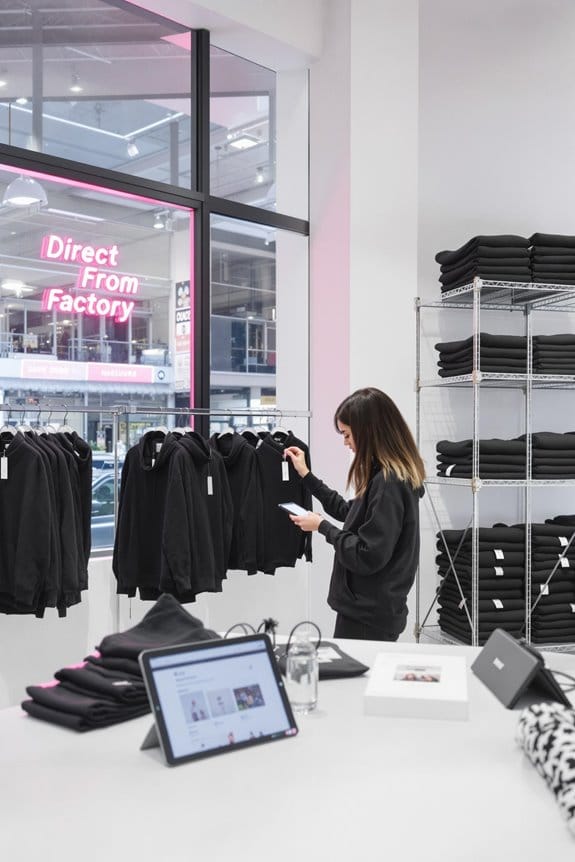
A growing number of Japanese streetwear brands have switched to direct-to-consumer (DTC) business models, cutting out traditional retail middlemen. You'll notice this shift has made your favorite Japanese brands more accessible and affordable, as they're now selling directly through their own platforms and flagship stores.
Through enhanced online shopping experiences, these brands aren't just saving money – they're revolutionizing how you interact with their products. They're implementing customer engagement strategies that connect you directly with their brand story, while sophisticated brand loyalty initiatives keep you coming back for more. It's a win-win situation where you're getting better prices, and they're building stronger relationships with their audience.
What's really clever is how they're leveraging social media and digital marketing to reach you without spending a fortune on traditional advertising. You'll find that these streamlined operations allow brands to respond quickly to what you want, when you want it. The result? You're getting the same high-quality Japanese streetwear you love, but at considerably lower prices thanks to reduced overhead costs and eliminated retail markups.
Recommended Products

(design style) Our bomber jacket men adopt the Japanese style dragon and tiger theme, which is more domineering and demeanor. The dragon and tiger will give people a noble, thus highlighting their own character. The combination of street fashion and Japanese dragon and tiger makes mens bomber jacket even more handsome!

Looser, tapered fits remain key with cargo styles reigning supreme.

Made from heavy duty cotton blend material for comfort and fit
Sustainable Manufacturing Solutions
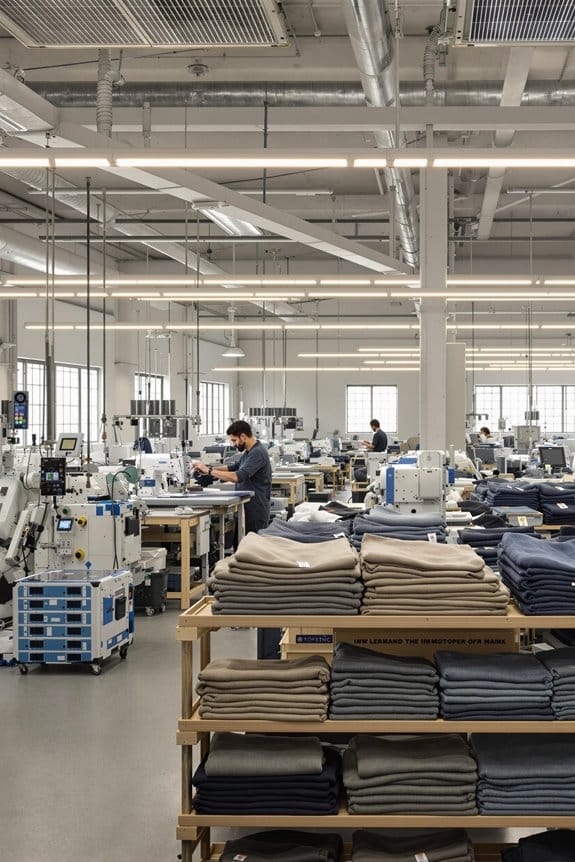
Japanese streetwear brands are revolutionizing their manufacturing processes with sustainable solutions that drive down costs while protecting the environment. You'll notice these changes reflected in both product quality and pricing, as brands embrace eco-friendly materials and streamlined production methods.
When you're shopping for Japanese streetwear nowadays, you're benefiting from impressive technological advances in production efficiency. Brands have invested heavily in innovations like 3D printing and digital fabric printing, which considerably reduce waste and production costs. These savings are passed directly to you, the consumer.
What's particularly exciting is how these brands are reshaping their supply chains. They're partnering with local suppliers and implementing ethical practices that create a win-win situation. You're getting more affordable clothing while supporting environmentally responsible manufacturing. The integration of recycled materials and transparent supply chain practices isn't just good for the planet – it's good for your wallet too.
The move toward sustainable manufacturing isn't just a trend; it's a complete transformation of the industry. You'll find that these brands are proving that style, sustainability, and affordability can coexist beautifully in modern streetwear.
Frequently Asked Questions
What Is the Cheapest Clothing Brand in Japan?
You'll find GU is Japan's cheapest clothing brand, offering affordable fashion at lower prices than Uniqlo. Local designers showcase their work through discount outlets, making GU your best bet for budget-friendly style.
Is It Cheaper to Shop in Japan Than Us?
You'll generally find shopping cheaper in Japan, especially when considering local markets and current shopping trends. With favorable currency exchange rates and domestic brands, you can get better value compared to US prices.
What Is Japanese Streetwear Style Called?
You'll find that Japanese streetwear is called "Street Fashion" (ストリートファッション). It's a fashion evolution blending cultural influences from urban and traditional styles, particularly prominent in Tokyo's vibrant fashion districts like Harajuku.
What Is the Most Popular Brand in Japan?
You'll find Uniqlo dominates Japan's fashion scene, blending Japanese fashion influences with urban style evolution. It's become the nation's most popular brand by offering affordable basics that perfectly complement Japan's thriving streetwear culture.